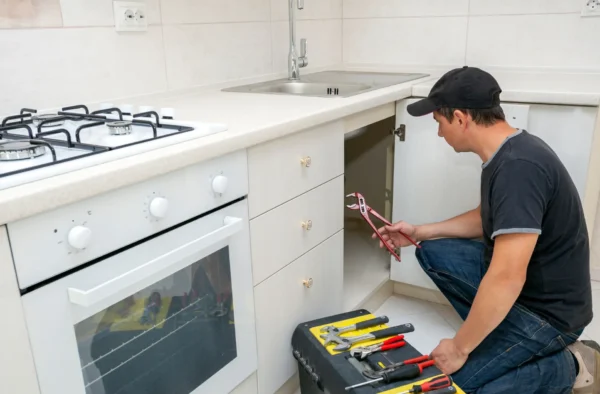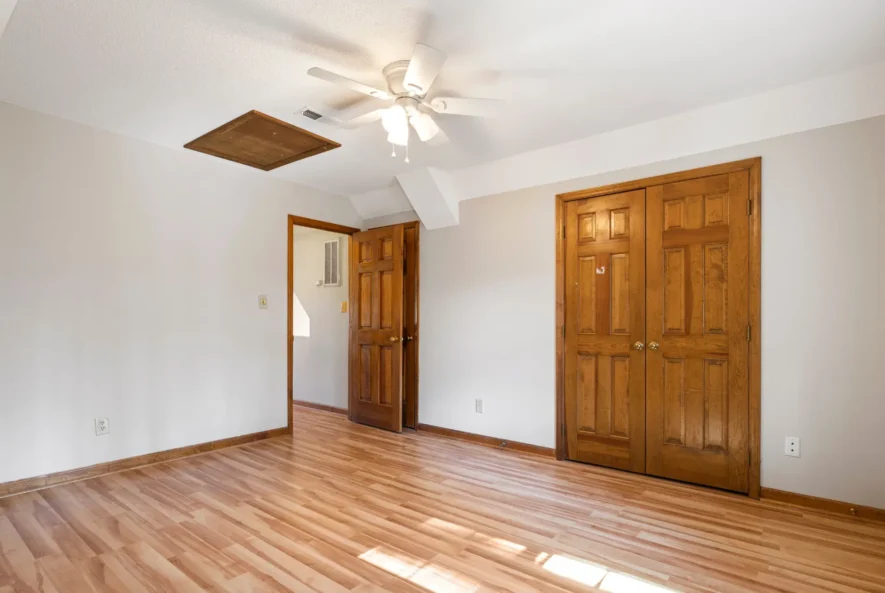
Home repairs often start small. A loose board. A soft patch of wood. A door that sticks a little more each month. Many homeowners try to fix these issues on their own. Sometimes that works. Other times, the problem grows quietly behind the surface.
Wood-related damage rarely stays visible. It spreads under floors, behind walls, and inside framing. What looks simple can turn costly if ignored. Knowing when to step back and call a professional matters more than most people think.
This guide explains the clear signs your home needs a professional carpenter, not a quick patch job. If you live in Windsor and want your repairs done right, these signs will help you decide early and avoid long-term damage.
1. Your Wood Floors Feel Soft, Uneven, or Noisy
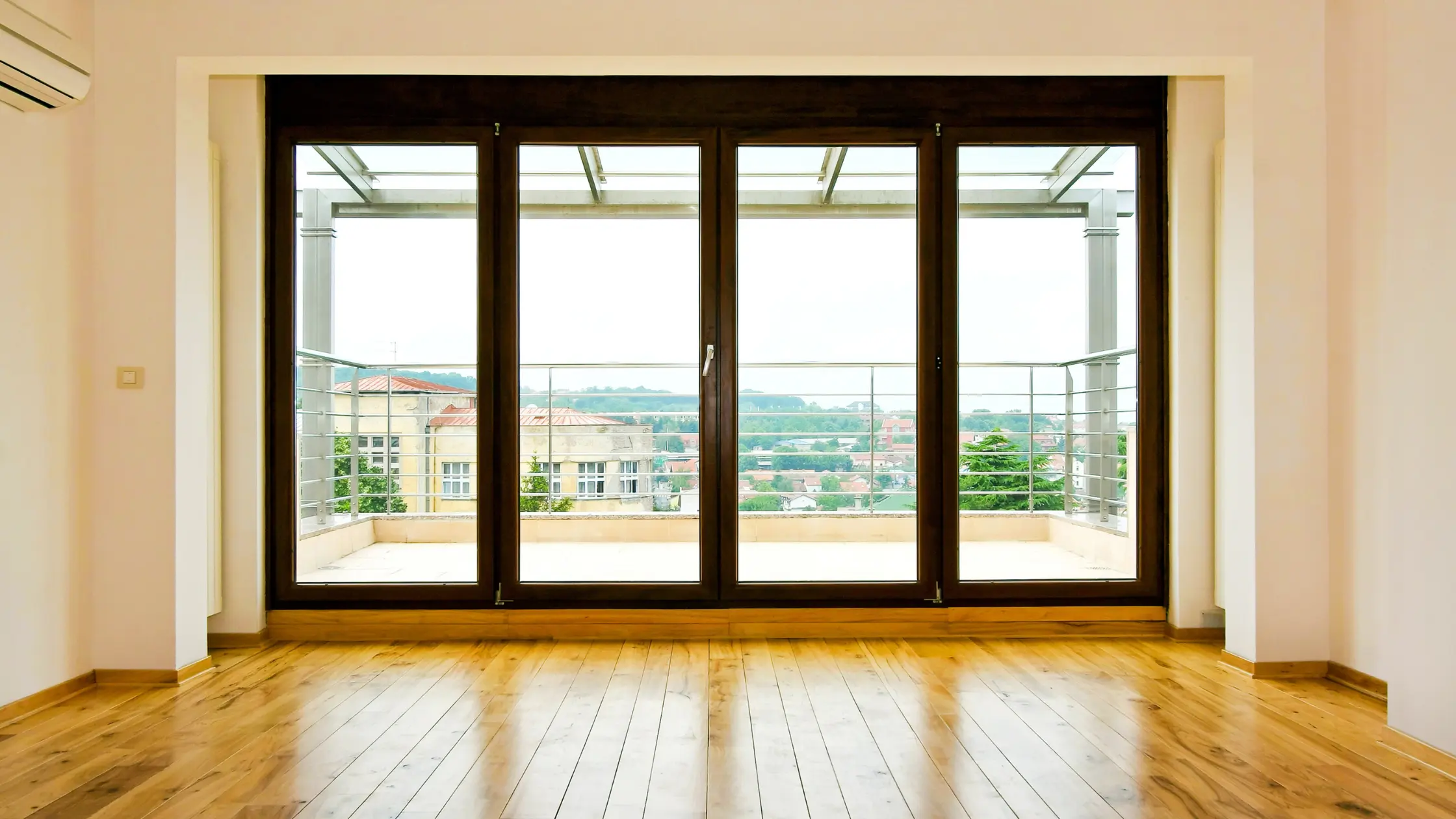
Wood floors should feel solid. When they start to dip, flex, or squeak loudly, something is wrong underneath. These are not surface problems.
Soft flooring often points to moisture exposure. In many cases, homeowners try to ignore it or add rugs. That only hides the damage.
A professional carpenter can inspect the subfloor and decide whether you need wood floor repair, partial replacement, or full wood flooring replacement. If water is involved, they also know how to fix water damaged wood floor areas safely.
Trying to nail or glue boards back in place rarely works. The damage continues below, unnoticed.
Not sure what’s happening under your floors? Our Windsor team can inspect and explain the real issue before it gets worse.
2. You Notice Signs of Water Damage on Wood
Water is wood’s biggest enemy. Stains, swelling, cracking, or dark patches usually mean moisture has been present for a while.
Many homeowners attempt basic drying or sanding. That helps only when the damage is shallow. Once moisture reaches deep layers, repairs need skill.
Fixing water damage on wood is not just about appearance. It involves checking surrounding materials and stopping future leaks. A professional carpenter knows how to trace the source and repair the affected structure.
Ignoring this sign often leads to mold, rot, and expensive replacements later.
3. Your Deck Boards Are Cracking or Pulling Loose.
Decks take a beating. Rain, snow, sun, and foot traffic all wear them down. Over time, boards warp, crack, or lift.
Loose boards are more than ugly. They are a safety risk.
Many homeowners try spot fixes. Screws here. A plank there. But uneven aging can weaken the entire deck surface.
When it’s time to replace deck boards, a professional carpenter checks joists, spacing, and support. This ensures the new boards last and stay safe for years.
If your deck feels unstable, don’t wait. Our carpenters help Windsor homeowners restore decks safely and cleanly.
4. Doors and Windows No Longer Fit Properly.
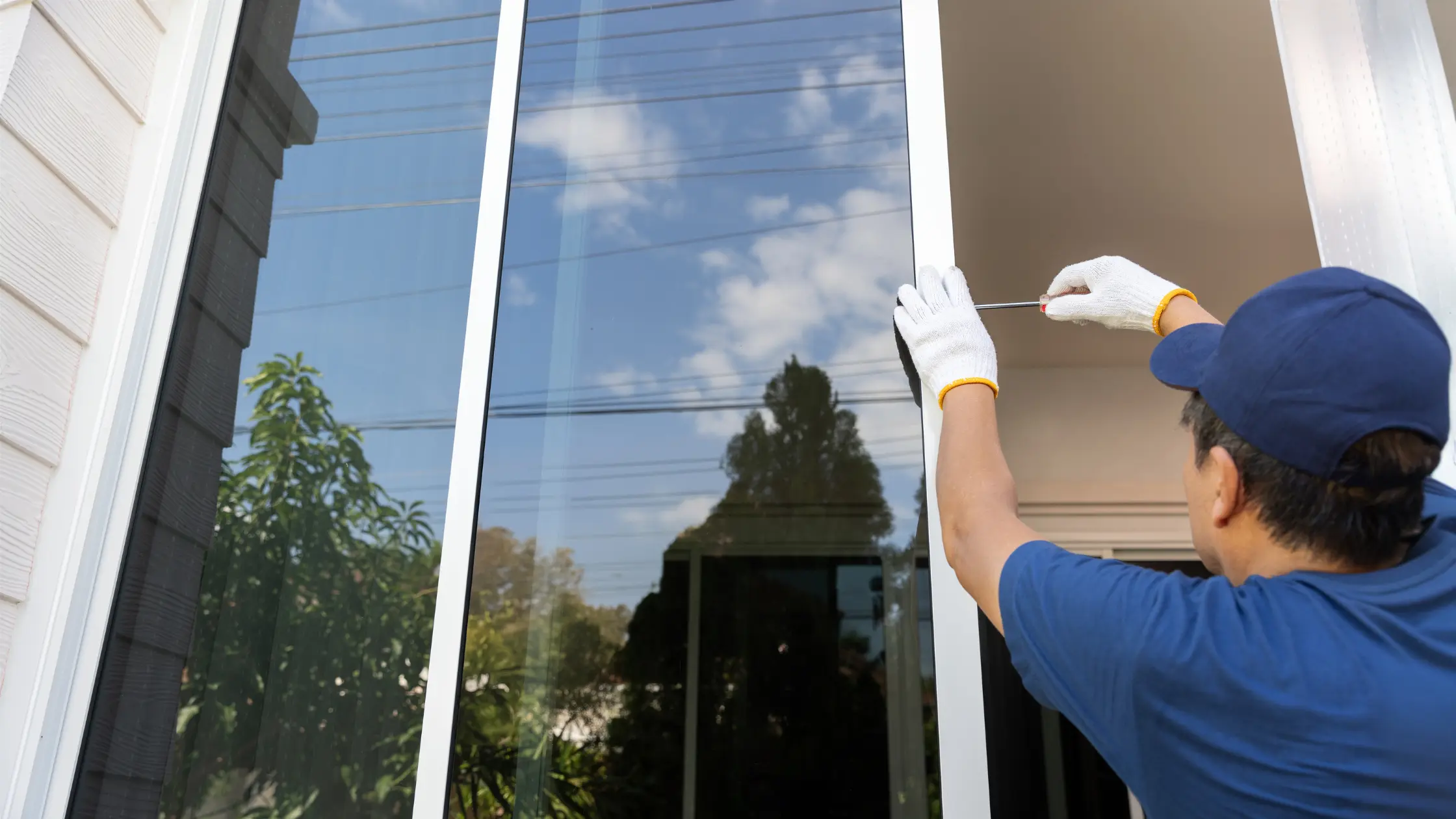
Wood expands and contracts. Over time, frames shift. Doors scrape. Windows stick or won’t close fully.
These issues often signal deeper structural movement or moisture-related swelling. Sanding edges may help short term. It does not solve the root problem.
A professional carpenter evaluates framing, alignment, and wood condition. In some cases, minor adjustments work. In others, damaged wood must be repaired or replaced.
Left unchecked, these problems affect insulation, security, and energy bills.
5. You Smell Mustiness or See Crumbling Wood
A musty smell near wood structures is a red flag. It often means decay has started inside.
One major cause is rot. More specifically, dry rot, which spreads fast and weakens wood from within. Dry rot repair requires proper removal and replacement. Surface treatments do not stop it.
A professional carpenter understands how far the damage spreads. They remove infected sections and protect surrounding wood.
DIY fixes often miss hidden areas. That allows rot to return.
6. Exterior Wood Is Peeling, Warped, or Falling Apart
Your home’s exterior takes constant weather exposure. Siding, trim, and fascia boards protect the structure underneath.
When paint peels repeatedly or boards warp, the wood has already absorbed moisture. In many cases, wood siding replacement becomes necessary.
A professional carpenter ensures proper sealing, alignment, and ventilation. This prevents future damage and improves curb appeal.
Replacing siding incorrectly can trap moisture and worsen the issue.
7. Furniture Has Deep Scratches, Stains, or Loose Joints
Old furniture often carries more than sentimental value. Solid wood pieces can last decades if cared for properly.
When joints loosen or surfaces wear badly, quick fixes rarely hold. Proper wood furniture refinishing restores strength and appearance.
A professional carpenter knows how to repair joints, strip finishes, and refinish without damaging the wood.
DIY sanding often removes too much material and ruins detail work.
8. Your Home Has Old Floors That Look Tired but Valuable
Not all worn floors need replacement. Many older homes have hardwood worth saving.
Scratches, dullness, and uneven color are signs of age, not failure. Old wood floor restoration brings these floors back to life.
This process requires experience. Sanding too deep can permanently damage boards. Uneven refinishing leaves visible marks.
A professional carpenter balances restoration and preservation. When restoration is no longer safe, they advise on wood flooring replacement instead.
9. You See Gaps or Cracks in Structural Wood
Small cracks can be normal. Large gaps are not.
Cracks in beams, stairs, or framing suggest stress or decay. These issues affect safety.
A professional carpenter assesses load-bearing strength and decides the correct repair method. Cosmetic filling hides danger. Proper repair restores strength.
This is one area where DIY work is risky.
10. Previous Repairs Keep Failing
If you’ve fixed the same spot more than once, the repair approach is wrong.
Repeated failures often mean the underlying issue was never addressed. Moisture, movement, or hidden rot may still be present.
A professional carpenter looks beyond surface damage. They repair the cause, not just the symptom.
In the long run, this saves time and money.
11. You Notice Water Damage Spreading Slowly
Water damage does not always appear at once. It creeps.
Discoloration grows. Boards soften. Nails rust.
When this happens, fix water damaged wood floor sections early. Delays often lead to full wood floor repair needs or replacement.
A professional carpenter knows how to isolate damaged areas and prevent spread
12. Your Home Has Mixed Wood Materials
Homes often combine old and new wood. Repairs in these areas need experience.
Matching grain, thickness, and finish matters. Poor matches stand out immediately.
A professional carpenter blends repairs naturally. This is especially important during wood siding replacement or interior fixes.
DIY repairs often look patched.
13. You’re Planning to Sell or Renovate
Before selling, small wood issues become big buyer concerns.
Loose trim. Soft floors. Cracked decks. These reduce value fast.
A professional carpenter prepares your home properly. Repairs are done to standard, not temporary fixes.
For renovations, carpenters ensure old and new materials work together safely.
14. Safety Has Become a Concern
When wood damage affects stairs, railings, decks, or floors, safety is at risk.
Wobbly steps or loose railings should never be ignored.
A professional carpenter restores strength and stability. Temporary fixes can fail suddenly.
15. You Want Repairs That Last
DIY repairs often focus on speed. Professional work focuses on durability.
A professional carpenter uses proper materials, correct techniques, and tested methods.
This matters for long-term peace of mind.
If your home is showing any of these signs, don’t wait. Contact Windsor Handy Wizards today and let a trusted professional carpenter protect your home the right way.
Why Windsor Homes Need Special Attention
Windsor weather affects wood differently through the year. Moisture changes, freezing, and thawing all stress wood structures.
Local experience matters.
Our team understands how Windsor homes age. We know common problem areas. We fix them correctly.
At Windsor Handy Wizards, we work in first person because we stand behind every repair. We believe honest assessments matter. Not every job needs full replacement. Some need careful restoration.
We handle everything from wood floor repair to wood furniture refinishing, from dry rot repair to wood siding replacement. We also help homeowners replace deck boards, restore old floors, and fixing water damage on wood before it spreads.
We show up on time. We explain clearly. We fix what needs fixing. No pressure. No shortcuts.
Frequently Asked Questions
What are the signs that wood floor repair requires a professional carpenter?
If the floor feels soft or sinks when stepped on, that’s a red flag. Wide cracks or boards pulling apart usually mean deeper damage. Creaking alone is normal, but loud shifting is not. When repairs keep failing, a professional is needed.
How do you know if water damage on wood can be repaired or needs replacement?
Surface stains can often be sanded and sealed. If the wood smells musty, moisture is trapped inside. Swollen boards usually do not return to shape. Rot or mold means replacement, not repair.
Is dry rot repair possible, or does the wood need to be replaced completely?
Early dry rot can sometimes be treated and stopped. Once wood turns brittle, repair is no longer safe. Dry rot spreads quietly through connected wood. Most cases require removing the damaged sections.
How can a carpenter fix water damage on wooden floors and structures?
First, the moisture source must be fixed completely. Damaged boards are removed or reinforced carefully. The area is dried before any new wood goes in. Finishing work seals the repair against future damage.
What are the warning signs that old wood floor restoration is needed?
Faded patches and uneven color are common signs. Gaps between boards often grow with age. Loose planks mean nails or subfloor issues. Repeated repairs suggest full restoration is due.
Is it safe to delay replacing damaged deck boards?
Delaying replacement increases the risk of collapse. Cracked boards can break suddenly under weight. Moisture spreads faster once boards are damaged. Safety becomes a concern, not just appearance.
How does weather damage affect outdoor wood structures over time?
Rain causes swelling, then shrinking as wood dries. Sun exposure weakens wood fibers slowly. Freeze and thaw cycles cause cracking. Damage builds quietly over several seasons.
What types of wood damage cannot be fixed without professional help?
Structural rot always needs expert assessment. Load-bearing damage should never be DIY. Hidden water damage behind walls is risky. Improper repairs can make things worse.
How much does a professional carpenter typically charge for wood repairs?
Rates usually depend on the job size and skill. Small repairs may be hourly based. Larger damage is often priced per project. Quality work costs more but lasts longer.
What risks come with ignoring water damage on wood floors and framing?
Water damage weakens the structure over time. Mold growth can affect indoor air quality. Repair costs increase the longer it’s ignored. Safety issues may develop without warning.